
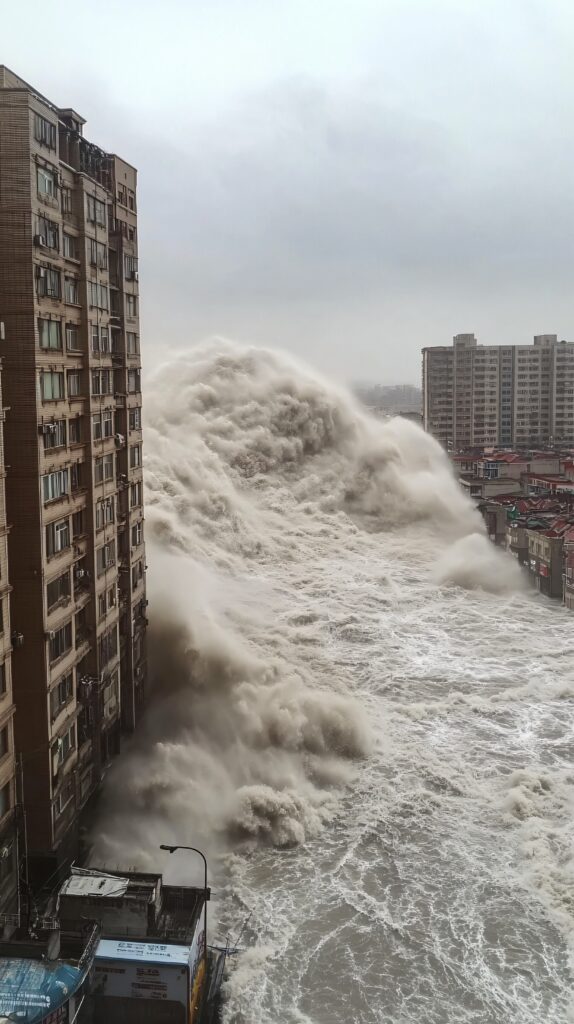
We all know how unpredictable Florida weather can be. One heavy storm can turn a quiet street into a river overnight. Flood insurance isn’t something most of us think about until the water’s already rising, and that’s when it’s too late. The real trick is understanding what’s in your flooding insurance quote before you sign anything.
At Flood Insurance HQ, we talk to homeowners every day who admit they didn’t fully understand their flood policy until after a claim. That’s not their fault; insurance language can feel like it’s written in code. Our job is to make it make sense. When you ask the right questions before accepting a quote, you stay in control of your coverage, your budget, and your peace of mind.
Why Asking the Right Questions Makes All the Difference?
Not every flood insurance policy is built the same. Two houses on the same street might have completely different risks and premiums. Asking direct, practical questions can help us see if a policy really fits our property or just looks good on paper.
When we sit down to review a flooding insurance quote, we’re not just looking at a number. We’re checking the story behind it; how coverage limits were chosen, what’s excluded, and whether there’s a waiting period that could leave us exposed. That’s where smart questions can save us thousands later.
The Questions We Should All Be Asking
Here’s a quick look at the questions that always come up when we help clients compare flood policies.
1. What does this policy actually cover; and what doesn’t it cover?
A lot of people assume their contents and structure are both included, but that’s not always true. We like to see exactly how coverage breaks down. Does it cover flooring, drywall, furniture, or just the foundation? It’s better to get that clear before a claim ever happens.
2. Is this quote from the NFIP or a private provider?
There’s a big difference between government-backed coverage and private flood insurance companies. NFIP policies are standardized, which makes them predictable but limited. Private insurers often offer higher coverage limits and faster claim processes. We like to see both options before deciding.
3. How long before coverage actually starts?
Most NFIP policies come with a 30-day waiting period. Private insurers might shorten that, but not always. It’s one of those fine-print details that matter when a storm’s already on the radar.
4. How did you calculate my property’s flood risk?
Ask how your rate was determined; is it based on FEMA flood maps, elevation certificates, or past claims in your area? When we know what data the quote’s built on, we can tell if the price makes sense.
5. What’s the claims process like?
We always want to know how things work when it matters most. Who comes out to inspect the damage? How long do payouts usually take? Getting clarity up front avoids frustration later.
A Few Other Details Worth Talking About
The smaller points can sometimes have a bigger impact than we think. When we go over quotes with our clients, these are the details that usually raise an eyebrow:
- Deductibles. Higher deductibles can lower monthly premiums, but they also mean more out-of-pocket costs if you flood.
- Detached structures. Not every policy includes garages, sheds, or fences, double-check those.
- Type of value. Replacement cost covers the full cost to rebuild; actual cash value subtracts depreciation.
- Elevation certificates. If your home sits higher than older FEMA data shows, updating this can lower your rate.
- Discounts. Some flood insurance companies give lower premiums for homes with flood-resistant upgrades like raised HVAC units or flood vents.
How to Compare Quotes the Right Way?
A mistake we see often is comparing quotes purely by price. That’s like picking a doctor based only on office fees; it ignores what you actually get for the money.
When we compare a flooding insurance quote, we focus on:
- Coverage amounts for structure and contents
- Specific exclusions
- Waiting periods
- Deductible options
- Claims process reputation
- Customer support responsiveness
The best policy isn’t always the cheapest one. Sometimes paying a little more upfront means getting your life back faster after a flood, and that’s worth it every time.
The Importance of a Trustworthy Agent
Flood insurance can feel like a maze, and having the right guide makes all the difference. We’ve seen clients who were sold policies they didn’t understand just because they felt pressured to buy quickly. That’s not how we operate.
At Flood Insurance HQ, we slow things down and make sure every detail is crystal clear. We work directly with reliable flood insurance companies so homeowners can make informed choices. The goal isn’t to rush anyone into a decision; it’s to make sure the coverage fits, and that you actually know what you’re signing.
Reviewing a Quote Step by Step
When that email or PDF comes through with your quote, take your time. Here’s our checklist we share with clients:
- Confirm your address and property info. Small errors can change your flood zone and premium.
- Double-check the coverage limits. Make sure the numbers match the value of your property and belongings.
- Review the deductible. If you can’t comfortably afford it, it’s too high.
- Ask about optional coverage. Some policies allow add-ons for temporary housing or cleanup costs.
- Get clarifications in writing. If the agent explains something important, have them document it.
Taking ten minutes to go through these points can prevent major financial stress later.
Common Mistakes to Avoid

Over the years, we’ve noticed patterns, and most of the time, they come from assumptions.
- Assuming homeowners’ insurance covers flooding. It almost never does.
- Skipping elevation updates. Your rate might be based on outdated maps.
- Ignoring renovations. A remodeled basement or kitchen changes rebuild costs.
- Accepting the first quote. Shopping around can uncover better protection for less.
Asking the right questions, verifying details, and comparing options can save thousands in the long run.
Bringing It All Together
A flooding insurance quote shouldn’t feel like guesswork. It should tell you the whole story: what’s covered, how much protection you have, and what happens if disaster strikes. By slowing down, asking smart questions, and comparing multiple flood insurance companies, we can avoid expensive surprises later.
At Flood Insurance HQ, our philosophy is simple: no hidden terms, no confusion, just clear coverage that fits your life and your home.
Work with Florida’s Most Reliable Flood Insurance Companies
If you’ve made it this far, you already care about doing this the right way, and that’s half the battle. At Flood Insurance HQ, we help homeowners compare quotes from trusted flood insurance companies across Florida. We don’t push one-size-fits-all policies. We look at your location, your flood zone, and your budget to build a plan that actually makes sense.
Reach out to Flood Insurance HQ today for a no-pressure consultation. We’ll review your options, explain every line of your quote, and help you get covered before the next storm rolls in.
Because at the end of the day, protecting your home shouldn’t be complicated; it should be clear, honest, and reliable.
FAQs
- What are good questions to ask about floods?
Ask about your property’s flood zone, how your rate is calculated, and what’s excluded from coverage. - What are good questions to ask an insurance agent?
Ask which providers they represent, how claims are handled, and whether private or federal coverage is better for your home. - What should consumers do in regard to flood insurance?
Compare quotes, confirm coverage details, and make sure your policy truly reflects your home’s rebuild value and location risk. - What is the most compelling reason why someone should buy flood insurance?
Flood damage is costly and rarely covered by homeowners’ insurance. Flood coverage is the financial safety net that keeps families stable after major storms.


