

FEMA data shows flood damage does not stay limited to high-risk zones. Many claims come from lower-risk areas during heavy rainfall and drainage overflow events. Therefore, risk exists even in mapped safer zones.
A Preferred Risk Policy (PRP) offers flood protection for homes in FEMA low-risk zones. It applies to homes in Zones B, C, and X under the National Flood Insurance Program. It combines building coverage and contents coverage under one structured plan.
NFIP created PRP for homes with lower flood exposure and a clean claims history. It supports homeowners who want protection without high insurance cost pressure. Coverage stays structured with fixed limits and standardized terms. The policy helps close the gap between perceived safety and real flood exposure. This blog explains how PRP works, who qualifies, and why it matters for long-term flood protection.
Who Qualifies for Preferred Risk Policy (PRP) Coverage?
Eligibility for a preferred risk policy depends on FEMA flood zone classification rules and mapping data. Homes in Zones B, C, and X qualify under NFIP guidelines for lower risk areas. These zones remain outside Special Flood Hazard Areas defined by FEMA.
Zone X includes areas outside mapped high-risk floodplains with lower exposure levels. Flood risk stays lower compared to high-risk flood zones across FEMA maps. However, water damage mostly occurs during heavy rainfall and sudden overflow conditions in many regions.
A clean flood loss history improves eligibility under NFIP review standards. Properties with repeated flood claims face restrictions during underwriting evaluation. Insurers check FEMA maps and past claim records together before approval decisions.
Primary residences and rental properties qualify under the same policy structure framework. Occupancy type does not limit access to coverage eligibility. Approval depends on the property risk profile according to the FEMA zone data and underwriting review. Agents use FEMA mapping systems to confirm correct classification before policy issuance.
Do property protection choices feel unclear right now?
Check PRP Eligibility Now
What Does PRP Cover for Homes and Renters?
A PRP includes protection for building structure and personal property. Building coverage applies to foundation, walls, electrical systems, plumbing, and HVAC systems. These components form the core structure of a home. Contents coverage applies to furniture, electronics, clothing, appliances, and personal items. This coverage reduces financial loss after flood damage events. It supports faster recovery after disruption.
NFIP sets fixed coverage limits under PRP. These limits remain standard across eligible properties. Therefore, comparison between insurers becomes easier. Renters can choose contents-only coverage. Homeowners can select both structure and contents protection. Coverage depends on policy selection and risk profile. Policy structure stays consistent across providers, which helps improve clarity during claims and renewals.
Why Preferred Risk Policy Reduces Flood Insurance Costs?
A PRP group’s low-risk properties into fixed pricing tiers. This structure reduces annual insurance costs compared to standard flood policies. Many eligible homes receive premiums below $600 per year.
Flood events occur outside high-risk zones more often than expected. FEMA data confirms claims come from both high and low-risk areas. Therefore, coverage remains important across all zones. Low-risk flood insurance supports protection in these areas. Many homeowners delay coverage due to low perceived risk. However, real events create unexpected losses for homeowners.
PRP avoids complex pricing models used in standard insurance. Premiums remain predictable over time and help with yearly financial planning. Pricing depends on FEMA zone classification and property type. Lower exposure usually leads to lower premiums. Insurance professionals recommend PRP for basic flood protection. It provides structured coverage without high cost barriers.
How to Get a Preferred Risk Policy (PRP) Step by Step?
Homeowners access PRP through NFIP-participating insurance providers. An agent checks FEMA flood maps and property details. Zone classification determines eligibility. Flood insurance advisors review coverage options based on risk data. They evaluate property structure and location, and help in matching the correct coverage limits.
The application requires basic property details, including address and occupancy type. Some cases include past claim history and structure information. Once eligibility is confirmed, insurers issue policy quotes. Homeowners then select coverage based on budget and protection needs.
Flood insurance broker in Florida compares multiple insurance providers and helps identify better pricing and coverage combinations. Thus, PRP availability depends on NFIP participation. Most regions with FEMA mapping support this policy.
Why Does Preferred Risk Policy (PRP) Matter for Long-Term Protection?
A PRP protects homes in lower-risk flood zones. Flood events still affect properties outside high-risk areas during storms and heavy rainfall.
FEMA data confirms flood exposure spreads across multiple zones. Water damage can result from drainage overflow and flash flooding. Therefore, risk exists even in lower mapped areas. Weather patterns continue to change rainfall intensity. Affordable flood insurance helps manage financial exposure. It reduces repair costs after unexpected events.
PRP covers structure and contents under one policy and helps improve recovery speed after flood damage. Homeowners restore homes with structured support. Moreover, flood insurance services experts help simplify coverage decisions. They guide homeowners through policy selection. Insurance planning supports long-term financial stability. It reduces stress during disaster recovery situations.
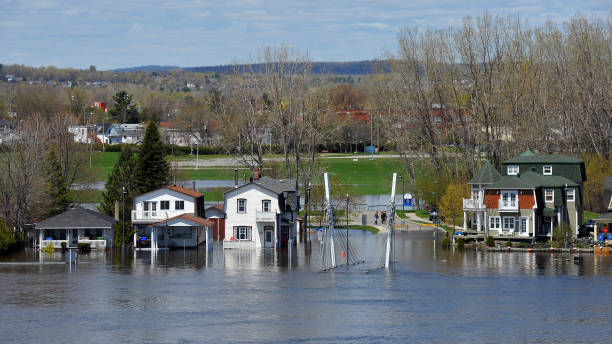
Why is PRP an Ideal Choice in Florida?
Flood risk exists outside high-risk zones. Many homes in lower-risk areas still face water damage. Therefore, coverage remains important across all zones.
A Preferred Risk Policy (PRP) provides structured flood coverage for homes in Zones B, C, and X. It reduces insurance costs while maintaining essential protection. PRP includes protection for the structure and contents to reduce financial pressure after flood events. Policy terms follow NFIP guidelines. At Flood Insurance HQ, we help homeowners choose PRP flood insurance based on FEMA zone data. We focus on clear guidance and practical coverage decisions.
Ready to secure affordable flood protection for your home?
Talk to a Flood Expert Now
FAQs
-
What is Preferred Risk Policy (PRP)?
A Preferred Risk Policy (PRP) provides flood insurance coverage for homes located in FEMA low-risk zones such as B, C, and X. It follows NFIP rules and offers structured protection plans. At Flood Insurance HQ, we guide homeowners through eligibility checks and coverage selection. We also use flood maps and property details for clarity.
-
What kind of policy is the preferred risk policy?
A preferred risk policy works as an NFIP flood insurance plan for lower-risk homes under a low-cost flood coverage structure. It includes protection for both building and personal property under fixed terms. At Flood Insurance HQ, we explain policy steps and clarify coverage limits for better understanding and decision-making.
-
What is the minimum flood insurance coverage?
Minimum flood insurance coverage depends on property value, lender requirements, and NFIP standards. It generally includes protection for structure and personal belongings under affordable flood insurance guidelines. At Flood Insurance HQ, we match coverage with financial safety needs. We also review property risk levels before planning coverage. Therefore, protection remains balanced and practical always.
-
What can be done to reduce the risks of flooding?
Flood risk reduction includes drainage improvements and land grading. It helps in raising property elevation in vulnerable zones. These steps reduce water buildup during heavy rainfall under the guidance of flood risk insurance specialists. At Flood Insurance HQ, we combine prevention strategies with insurance planning. We also guide better coverage choices for stronger protection. Therefore, financial loss remains lower.
-
What’s the biggest mistake people make when applying for an insurance claim?
Late reporting and missing documents slow down claim approval processes. Proper records help faster claim handling under the flood insurance services experts’ guidance. At Flood Insurance HQ, we support structured claim filing and documentation steps. We also assist with proper record preparation for smoother submission. Therefore, claim settlement becomes faster after flood damage events.


