
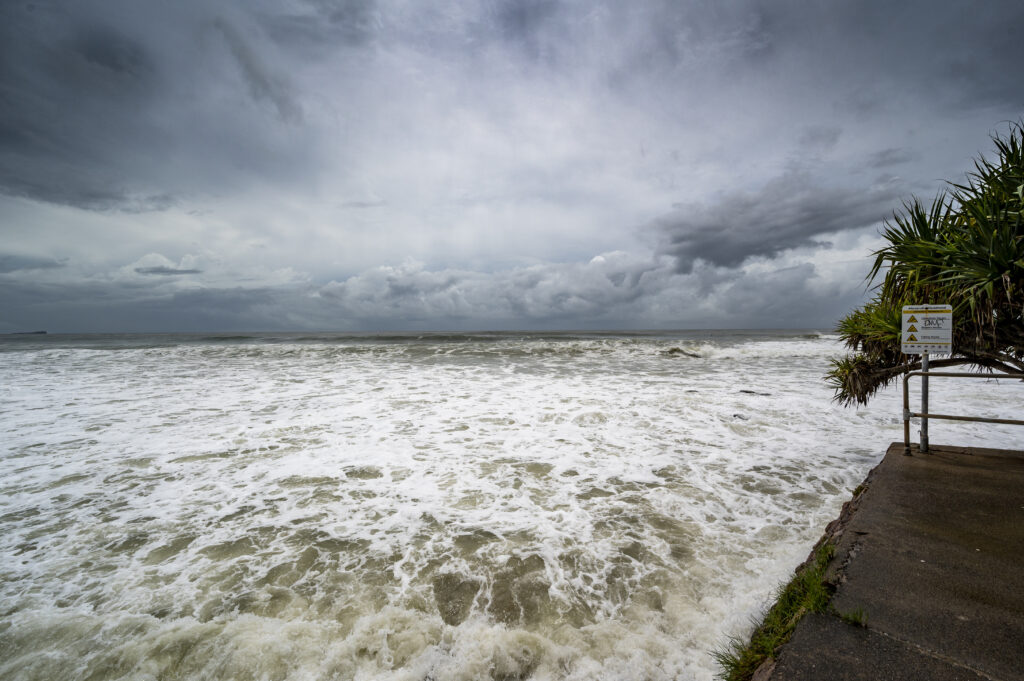
The way we manage homes and buildings near the water is changing fast because of new weather patterns and rising sea levels. For people who own property in Florida, staying safe from water damage takes more than a basic insurance plan. It takes exact numbers. Digital flood mapping is no longer just a fancy tech tool. It is now the main system that decides how dangerous a property is, how much insurance costs, and how we protect homes. This guide looks at how new map data changes the way we measure risk, how clear maps change insurance prices under federal rules like Risk Rating 2.0, and how accurate details help owners protect their land. As insurance companies rely more on numbers, Flood Insurance HQ gives the clear facts and local help you need to handle these changing rules and costs.
Why Traditional Flood Boundary Maps Fail in Modern Florida?
In the past, tracking water danger relied on flat paper maps called Flood Insurance Rate Maps (FIRMs). These old maps put whole neighborhoods into big, general risk groups based on old averages. This simple system labeled properties as either inside or outside a High-Risk Area. It missed small changes in ground height, local drainage, or new building projects. Florida is very flat and filled with tiny canals, so a few inches in ground height determines whether a home stays safe or gets flooded. Old mapping methods often used outdated ground surveys. Some of these maps were not updated for more than ten years. Thousands of property owners ended up surprised by flash floods, while others paid high insurance bills based on old regional guesses instead of the actual danger to their specific building.
Tired of paying high premiums based on outdated regional maps?
Get Your Accurate Quote Today
How Geospatial Data Transforms Risk Delineation?
New risk assessments stop using big general zones by using geospatial flood mapping. This method mixes different advanced data tools to build accurate, multi-dimensional profiles of ground surfaces and past water patterns.
- Light Detection and Ranging (LiDAR): Airplanes with laser tools beam light down to the ground to measure the exact time the signal takes to return. This process creates clear digital ground models accurate down to a few inches.
- Satellite Earth Observations: Constant tracking with space cameras and Synthetic Aperture Radar (SAR) tools gets real-time data on mud and beach washing. This technology tracks how fast water drops after big storms.
- Asset-Level Attributes: Instead of looking at a massive neighborhood block, new systems check specific details on a home, like its foundation style and floor height. Underwriters check for working flood vents on individual buildings.
By putting these exact data layers into computer systems, experts simulate how water travels across specific yards during heavy rains or ocean surges.
How Does Flood Prediction Technology Protect Your Home?
The power of modern danger mapping sits in predictive models. By using flood prediction technology, insurance teams and emergency workers do not just look at past storms; they simulate complex future events.
These advanced water simulations mix weather reports with actual ground facts to show exactly where rainwater will pile up and flow. This tech models how different dangers mix together, like an ocean storm surge blocking river paths or heavy rain filling up local street drains.
Why Are Flood Insurance Prices Shifting to Individual Property Risk?
The Federal Emergency Management Agency (FEMA) altered property protection costs when it started Risk Rating 2.0. This system ended old habits by using single-property data to figure out insurance bills.
Under these rules, premium math uses different pieces of information, including a house’s exact distance from a water source and the specific type of flood threat it faces. These numbers include the estimated cost to rebuild the house. Advanced floodplain mapping ensures these details stay updated to match changing environments. For property owners, this shift means big neighborhood labels do not set policy costs anymore.
What Practical Steps Can Property Owners Take to Reduce Flood Risk?
Using exact map data helps property owners take real steps to protect their homes and lower their yearly insurance bills.
- Secure an Elevation Certificate: Get an official elevation form from a licensed surveyor to check the exact height of your lowest floor compared to local water lines.
- Install Engineered Flood Vents: For homes with crawlspaces or closed lower areas, putting in certified water vents lets water flow through the space cleanly. This change matches water pressure and stops walls from breaking down.
- Relocate Critical Mechanical Systems: Move AC units and power boxes onto high wall brackets or tall platforms. Water heaters must sit well above expected flood lines.
- Apply Dry Floodproofing Measures: For business properties, using removable flood gates and waterproof coatings on outside walls stops water from entering during short, shallow floods.
Why Specialized Consultation Matters for Long-Term Protection?
Reading complex space charts and turning them into the best insurance plan is a technical task. Trusting regular insurance agents often causes missed discounts or gaps in important safety lines. Working with flood insurance services experts ensures every piece of map data, from local creek models to home foundation heights, is used correctly during policy setups. These experts know how to compare private company plans with federal choices, helping owners spot the exact mix of home upgrades and policy choices needed to protect their money for years. Property owners who understand and use these digital methods get safer home values, drop their extra liabilities, and shield their buildings from bad storms. To stay ahead of changing rules and get the most accurate, data-backed safety available for your land, work with the team at Flood Insurance HQ.
Want to protect your Florida property with precision, data-backed coverage?
Contact Our Experts Today
FAQs
-
What is digital flood mapping, and how does it impact my insurance premium?
Digital flood mapping is the method of using advanced map software, laser ground-height tools, and computer water models to make clear, high-resolution profiles of water dangers. Unlike old paper maps that put whole zip codes into big risk slots, this new data system looks at the exact height and shape of your specific building. At Flood Insurance HQ, we use these clean data models to find true property danger, making sure you do not pay high bills based on old neighborhood averages.
-
How does geospatial flood mapping differ from older methods?
Old ways relied on old flood books and simple hand checks to draw big lines across city maps. In contrast, geospatial flood mapping mixes space radar images and airplane laser tools with local soil water data to see exactly how water travels across small pieces of land. This lets insurance teams judge single homes on their own setup instead of grouping them into huge regional charts.
-
What role does flood prediction technology play in setting policy rates?
New flood prediction technology uses smart computer code to simulate how local streets and sea levels affect a specific building. These systems show the results of wild weather events. By running thousands of automated storm tests, companies see potential water depth and home stress before a storm hits, letting them set fair prices that match a home’s true danger.
-
Can advanced floodplain mapping help me lower my annual insurance costs?
Yes, clear floodplain mapping can show that your specific house sits on a high ridge or uses a tall foundation that keeps it out of danger. By showing new map data and a real elevation form to your company, you prove your actual risk is lower than the neighborhood around you, which opens up quick discounts and lower deductibles.
-
How do private flood insurance companies in Florida use this data?
Private flood insurance companies in Florida use this deep map data to find safe houses located inside big federal high-risk zones. By using separate, clear data models, these private companies skip rigid federal pricing tracks, letting them offer custom plans and bigger safety limits. They give low prices for properties with real, proven home upgrades.


