

Florida companies deal with a special mix of risks posed by coastal storms, rainfall, increasing water tables, and old drain systems. Even for a facility located in an area not considered at a high risk of floods, a major hurricane, tropical storm, or summer storm could cause severe flooding damage. This is why commercial property flood protection should be considered an integral part of every Florida business continuity plan and not some supplementary protection. This is where Flood Insurance HQ comes into play.
How Florida’s Flood Exposure Is Different
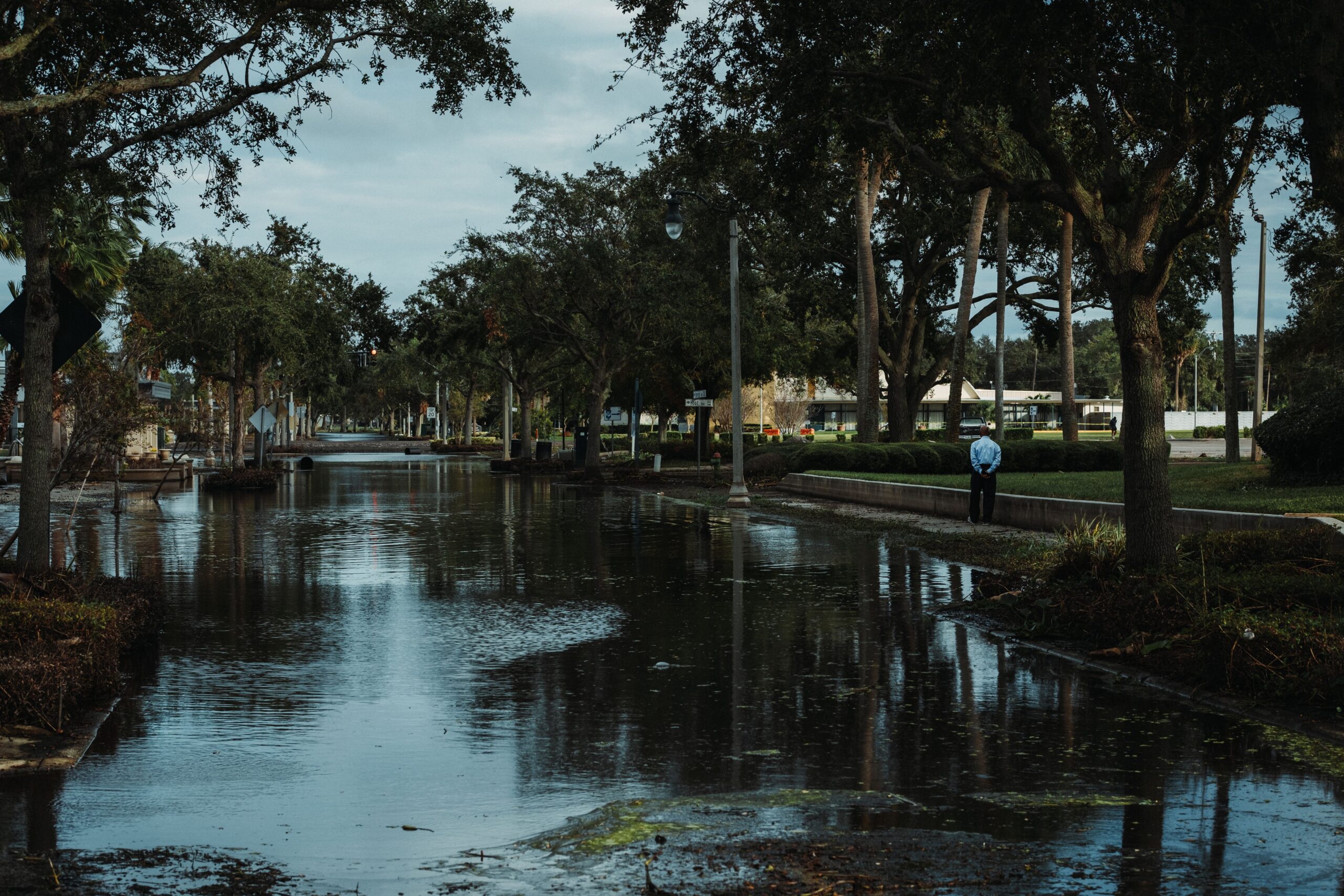
The geographical nature of Florida means that flooding is always a business risk factor. Coastal areas, lowlands, flat landscapes, frequent thunderstorms and hurricanes are factors that increase the possibility of floods affecting commercial establishments, including the building structure itself, car parks and storage areas and inventory.
Flood damage affects not just the beachside businesses. Too much rainwater may overflow the storm drain system in an inland business area, while storm surges and floods may affect inland properties far from the coast. Our commercial flood risk assessment service determines if your commercial property is situated in a Special Flood Hazard Area and how the water might affect it.
Many business owners think that flood damage is covered by their commercial property flood insurance plan. This is untrue since flooding is rarely covered in homeowner’s and business insurance policies. This guide will help you understand why commercial flood insurance is important to businesses in Florida and how the right insurance can protect your property.
What Does Commercial Flood Insurance Cover?
Commercial flood insurance covers only losses directly incurred from floodwater.
- NFIP flood insurance allows business owners to acquire two kinds of coverage: business flood damage coverage and contents coverage.
- Building coverage provides coverage for the structure itself, which includes the foundation, the electrical system, plumbing, HVAC and fixtures.
- Contents coverage is intended to cover contents of a business, such as inventory, machinery, furniture, and equipment. The contents coverage should be purchased separately from the building coverage.
- Depending on policy language, flood insurance also helps to cover losses due to cleanup of flood water and debris. We strongly recommend that business owners examine exclusions, deductibles and limitations before purchasing any policy.
- The maximum coverage limit for building and contents in NFIP commercial policies is $500,000 for each kind of coverage. Commercial structures, inventories and equipment of higher value might need private flood insurance or additional coverage.
Why Standard Business Insurance Is Not Enough
A standard business property insurance plan will normally protect against fires, theft, wind damage, vandalism, among other risks, but usually not flood. The lack of flood protection could result in financial ruin after the occurrence of a severe weather event.
For example, if you have an enterprise where floodwaters cause the loss of your stock, flooring, displays, computer systems, and refrigeration equipment, then without proper flood insurance, you might end up paying for the cost of cleanup and replacements from your own pockets. Your business property protection is best when your business property insurance and flood insurance complement each other, not when one major risk goes unprotected.
How Can Businesses Build Flood Resilience Before a Storm?
While insurance allows business owners to recover their costs, flood resilience for businesses requires planning. The effective plan needs to incorporate insurance, physical security, and operational precautions.
Some recommendations are as follows:
- Examine FEMA flood maps to determine if the building is located within a high-flood-risk area.
- Raise or protect electrical panels, HVAC system components, servers, and other important equipment if possible.
- Locate inventory and documents above floodwater.
- Develop an emergency plan for employees, customers, vendors, and backup for data.
- Take pictures of the structure, equipment, and inventory before hurricane season.
- Discuss coverage limits, deductibles, exclusions, and waiting periods with our flood insurance experts.
However, Florida commercial flood exposure can be much broader than a map zone suggests, particularly in areas prone to drainage issues, storm surge, or repetitive flooding.
Protect Your Business Today
Get a Flood Insurance Quote!
How to Choose the Right Coverage Limits?
Selecting the proper flood insurance policy for your business is more than determining the location of your building. At Flood Insurance HQ, we help Florida business owners implement effective commercial flood insurance protection.
- Assess Property and Asset Value: Look at the cost to replace your building, inventory, equipment, and technology.
- Look at NFIP Limits: The limits on building and content coverage are different; you may need extra coverage for valuable items.
- Know About the Exclusions: NFIP policies don’t cover business interruption, loss of use, outdoor property, and some basement-related damage.
- Have a Continuity Plan: Businesses that operate on a day-to-day basis need other forms of risk management.
Conclusion
While Florida businesses are helpless against bad weather, they do have the ability to prepare themselves for what is to come. Commercial flood insurance is an option for covering damage excluded in regular business policies. In contrast, flood risk assessment in Florida enables the owner to pinpoint any weaknesses in the system before disaster strikes. Through proper coverage and business property protection practices, Florida businesses can increase their ability to bounce back from a flood. If you are a business owner and need advice on your exposure and coverage options, contact us at Flood Insurance HQ.
FAQs
-
Why do Florida businesses need commercial property flood protection?
The reason for Florida commercial property flood protection is that most business property insurance policies do not cover losses from flooding. Flooding may cause harm to the building itself, merchandise, equipment, flooring, electrical installations, and records. Flood insurance will assist in making payments for any physical damage sustained by the business.
-
Does commercial flood insurance cover inventory and equipment?
Yes, however, inventory and equipment are generally covered through contents coverage, which is different from commercial property flood insurance. NFIP commercial contents coverage will be able to provide coverage for damage caused to business-related goods, including merchandise, machinery, furniture and equipment.
-
How much commercial flood insurance coverage is available through NFIP?
NFIP commercial policies usually provide a maximum building limit of $500,000 and a maximum contents limit of $500,000. Business owners whose property or assets exceed these levels might find it worthwhile to consider private flood insurance or supplemental insurance to cover any possible gaps in their business flood damage coverage.
-
Is flood insurance required for every Florida business?
Not every business is required to carry flood insurance. However, buildings in a Special Flood Hazard Area with a federally backed loan generally require flood coverage from federally regulated or insured lenders. Even when coverage is optional, Florida businesses should consider their actual Florida commercial flood exposure rather than relying only on lender rules.
-
When should a business buy flood insurance in Florida?
Business entities should purchase flood insurance policies prior to the onset of the hurricane season. More often than not, flood insurance policies have a 30-day grace period to complete a commercial flood risk assessment before they become operational. Therefore, it may be too late to purchase an insurance policy as a storm approaches.


