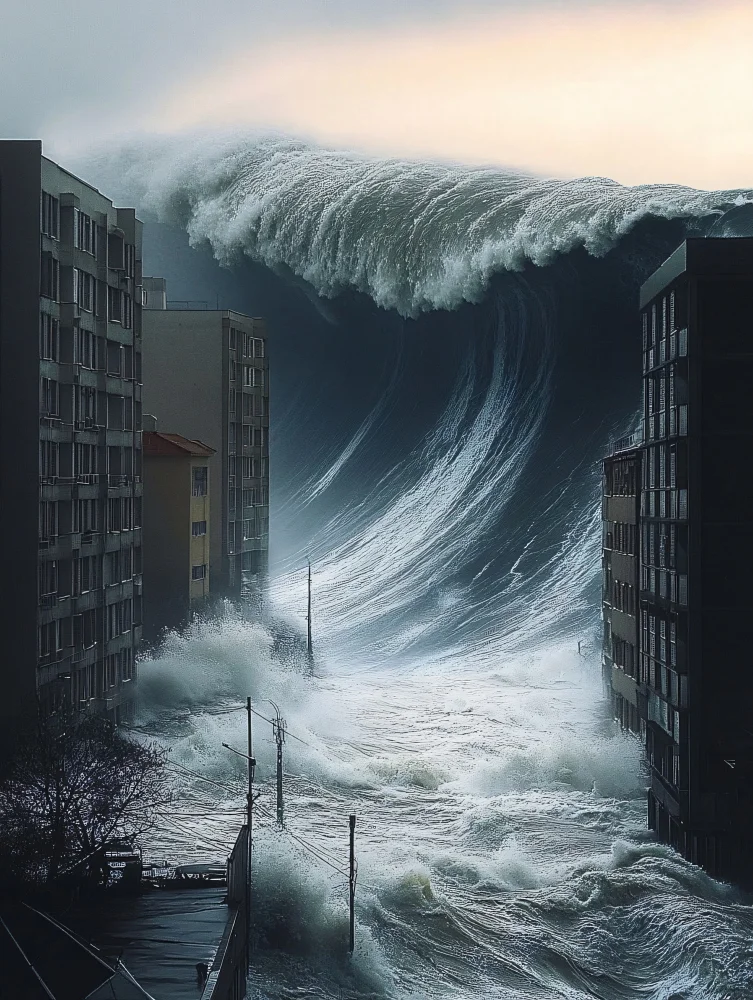

Coastal Wave Action affects how insurers study flood risk. Strong waves bring force and fast water movement. Therefore, insurers adjust pricing and coverage terms carefully. Homes near moving water face a higher risk of damage. Waves hit structures with speed and pressure daily. Hence, underwriters study coastal homes with extra care.
Understanding wave action helps explain insurance pricing clearly. Therefore, this blog gives clear and simple guidance. You will learn how waves affect underwriting decisions. You will also see ways to reduce risk exposure.
How Wave Energy Shapes Flood Risk
- Water near coasts moves with a strong force each day. Waves push homes and cause damage over time.
- Wave height affects damage levels on homes. Higher waves hit with more power and force.
- Wind also changes how waves move near shores. Hence, storm seasons raise risk in coastal areas.
- Erosion removes soil around home foundations slowly. This makes the structure weak with constant wave contact.
- Storm surge raises water levels during strong events. Waves move inland and reach more homes.
- Repeated wave impact creates hidden damage inside homes. Small cracks grow bigger with each wave hit.
Thus, the hurricane flood insurance plans in Florida provide extra protection.
Why Underwriters Study Coastal Locations Closely
Insurance underwriting predicts future loss risk. Coastal homes have higher and changing risks.
- Elevation: Higher homes face less water risk. Therefore, higher elevation gives better rates. Low elevation increases flood and wave risk.
- Distance: Homes near the shore face strong wave force. Therefore, closer homes have a higher damage risk. Far homes may get lower rates.
- Building design: Elevated homes handle waves better. Strong materials reduce damage during impact.
- Risk Zones: The flood insurance program maps risk zones. V zones show high wave risk areas. Therefore, strict rules apply in these zones.
Protect your coastal home with Flood Insurance HQ.
Start Your Plan Today
How Wave Action Changes Insurance Rates
Insurance rates depend on risk. Coastal wave action raises damage and cost. So, premiums go up near wave zones. Coastal homes often pay more.
The Florida flood insurance market shows this clearly:
- Coastal areas face storms and strong waves. So, insurers charge higher premiums. Inland areas see lower rates. Location matters a lot.
- Elevation affects rates in coastal areas. Higher homes face lower water risk. So, elevated homes get better rates. Low homes face more risk. Raising homes can cut costs.
- Construction type also affects pricing. Elevated homes handle waves better. So, the damage risk stays lower.
- Solid bases may take more damage. Safer designs get lower rates.
- The term flood insurance Florida rates show price trends. Rates change with wave risk and storms. So, coastal zones cost more. New data updates rates often.
- Claim history affects rate changes. High claim areas show more risk. So, premiums rise in those regions. Low claim areas stay stable.
How Coverage Terms Change with Wave Exposure
Wave action affects price and coverage. Terms change in high-risk zones. Therefore, insurers set strict limits. Hence, coastal policies include simple rules:
- The flood insurance coverage in Florida plans changes with risk. Coastal homes have higher deductibles and limits. Therefore, buyers must check the terms before purchase. Hence, proper building helps get full coverage.
- Inspections apply in high-risk zones. Insurers check the home’s strength and height. Therefore, results affect price and approval. Hence, ready homes get better options.
- Wave zones need special building methods. Raised homes reduce water contact. Therefore, rules improve safety and approval. Hence, weak homes get limited coverage.
- Coverage may limit some damage types. Policies show covered loss clearly. Therefore, knowing terms avoids claim problems. Hence, reading policy details is very important.
Practical Steps to Reduce Risk and Cost
Homeowners can lower risk with easy steps. These steps improve safety and reduce insurance costs. Therefore, good planning helps save money long term. Simple upgrades improve insurance results clearly. Hence, early action helps manage coastal risk better.
- Raise the home above flood level for safety. Elevated homes face less water during flood events.
- Use strong materials to handle wave force better. Water-safe materials last longer during flood events.
- Add drainage to move water away from the base. Water flows out and stays away from the home.
- Build strong foundations to resist wave pressure well. Good support stops shifting and cracking under force.
- The cost of flood insurance in Florida depends on risk level. Improvements lower the damage chance and claim risk.

Conclusion
Coastal Wave Action plays a big role in flood underwriting. Waves raise damage risk and change pricing levels. Therefore, coastal homeowners should understand this risk clearly. Good knowledge helps control costs and protect property better.
Smart upgrades and careful planning reduce risk levels well. Choosing the right provider improves coverage and service quality. Therefore, good decisions lead to better financial results.
The Florida flood insurance companies have many choices. Each provider uses different ways for pricing and coverage. Therefore, comparing plans helps find the best option. Good advisors explain terms in simple and clear words. Hence, clear advice helps with better decision-making always.
For expert help and trusted support, choose Flood Insurance HQ.
Ready to lower your flood insurance cost today?
Connect with Experts Now
FAQs
-
What services help manage Coastal Wave Action risks effectively?
Flood Insurance HQ gives simple help for Coastal Wave Action risk control. The team checks property risk and explains coverage in easy words. Professionals help choose the right policy for coastal homes. This support helps improve safety and lower future costs for homeowners. Clear help stops costly damage from strong waves early. Better planning helps keep homes safe for many years.
-
How does the flood insurance program affect coastal homes?
Flood Insurance HQ explains how the flood insurance program sets coastal coverage rules. Risk zones depend on water level and wave force. The team helps explain these zones and limits clearly. This help makes it easy to pick better plans and avoid big mistakes later. Simple steps help match coverage with real home risk. Clear zone details help make better insurance choices always.
-
Why are flood insurance rates higher near coastal areas?
Flood Insurance HQ explains why Florida flood insurance rates rise near coasts. Strong waves and storms increase damage risk in these areas. Experts check home details and suggest better pricing options. This help lowers cost and improve coverage choices over time. Better design and higher homes can lower premium costs slowly. Smart changes help improve safety and reduce risk levels.
-
What affects flood insurance coverage options most?
Flood Insurance HQ shows how flood insurance coverage in Florida depends on the risk level. Wave force and home height affect policy limits and terms. Professionals explain these points clearly. This help makes it easy to choose better coverage and plan money safely. Strong home design helps improve coverage approval chances. Good planning helps avoid gaps during flood damage events.
-
How can the cost of flood insurance in Florida be reduced?
Flood Insurance HQ helps reduce the cost of flood insurance in Florida with simple steps. Raising homes and using strong materials lowers risk levels. Experts check plans and give smart saving ideas. This help gives better coverage at a lower cost over time. Regular home care helps keep safety and lower risk levels. Smart choices help control insurance costs for many years.