
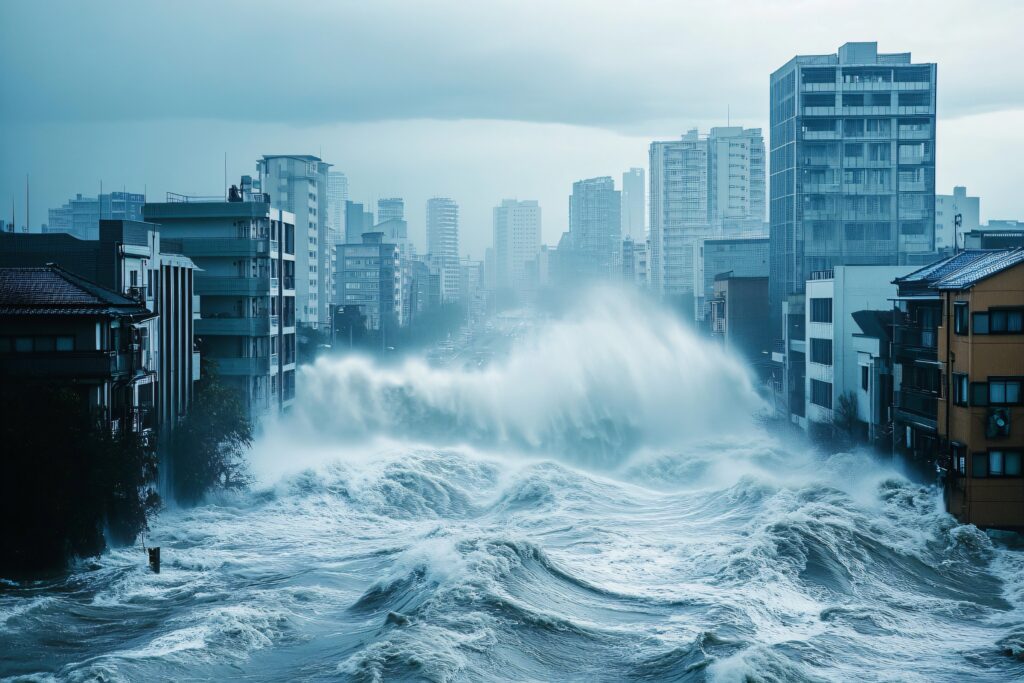
Pluvial flooding happens when heavy rain overwhelms land drainage systems quickly. Water collects on roads and low areas without river involvement. This happens during intense storms when rain falls faster than the ground can absorb.
In many places, flooding after heavy rain is common. Streets turn unsafe, and homes face sudden water entry situations during storms. This issue grows as cities expand and rainfall patterns become stronger.
Understanding pluvial flooding helps people prepare for sudden weather changes effectively. It is now a common challenge in both cities and rural regions.
How Surface Water Builds Up During Heavy Rainfall
Surface water flooding starts when rainfall intensity crosses ground absorption limits. Soil becomes fully saturated and cannot take in more water during storms. Water then starts moving sideways across land surfaces naturally. It follows gravity and collects in lower areas around buildings and roads. This process happens very quickly during intense rainfall events.
Blocked drainage entry points make water buildup even faster in many locations. Small obstructions reduce flow speed and increase surface water depth. Even short storms create visible flooding on streets and open land. This process differs from river flooding since water originates directly from rainfall. No external water source contributes to surface water accumulation during storms.
Urban Growth and Changing Water Flow Patterns
Modern cities change how water behaves during rainfall events significantly. Natural soil areas are reducing while built surfaces continue increasing across regions. This creates stronger urban flooding problems in expanding cities worldwide. Water no longer soaks into the ground and moves across paved areas instead. Roads and rooftops become main channels for water movement.
Stormwater systems receive higher pressure due to increased runoff volumes. Many systems struggle during peak rainfall conditions in urban environments. Water reaches drainage capacity faster than expected during storms. Building expansion also removes natural water storage areas like wetlands. These areas once slowed down water movement during heavy rainfall periods. Their absence increases the speed of surface water accumulation.
Want stronger protection when storms bring sudden water buildup.
Book Your Plan Now
Weather Shifts and Rising Rainfall Intensity
Rainfall patterns have changed across many regions in recent years. Storms now deliver heavier water volumes within shorter time periods. One key factor includes why flooding is increasing across modern environments. Warmer air holds more moisture and releases stronger rainfall bursts. These bursts overload drainage systems and ground absorption capacity quickly.
Storm duration also affects water buildup levels across land areas. Short, intense storms create sudden flooding rather than a gradual water rise. This gives little time for drainage systems to respond effectively. Moreover, seasonal patterns have become less predictable across many regions globally. Rain events appear stronger and more frequent than earlier weather records show. This increases exposure to surface water flooding in many communities.
Infrastructure Limits and Drainage Challenges
Drainage systems play a major role in controlling surface water flow. Many systems were designed for older rainfall conditions in past decades. Today’s storms create higher pressure than those original designs can handle. Water enters systems faster than it can be safely removed, and overflow becomes common.
Maintenance issues also reduce system performance during storm conditions. Debris, leaves, and waste block water entry points in many areas. This slows drainage speed and increases surface water levels. In some regions, drainage networks connect poorly designed water channels. These weak connections reduce overall flow efficiency during heavy rainfall.
Water stays on surfaces longer than expected under these conditions. Infrastructure upgrades often lag behind city growth, raising vulnerability during strong storms.
Financial Protection and Regional Insurance Awareness
Flood risk planning includes financial protection against water damage events. Insurance helps manage repair costs after heavy rainfall impacts properties. Different regions have different risk levels based on weather and geography. Coastal and inland areas require separate protection strategies for flood safety.
Many people explore Florida flood insurance companies for regional coverage understanding. These companies offer plans based on local water risk conditions. Some homeowners compare flood insurance providers before selecting coverage plans. Each provider offers different protection levels based on risk evaluation.
Many individuals also compare flood insurance rates in Florida for cost-effective planning. Pricing depends on property elevation and flood exposure levels. Proper planning helps reduce financial stress during recovery after storm damage events. Insurance support becomes essential when surface water flooding affects homes.
Conclusion: Preparing for a New Rainfall Reality
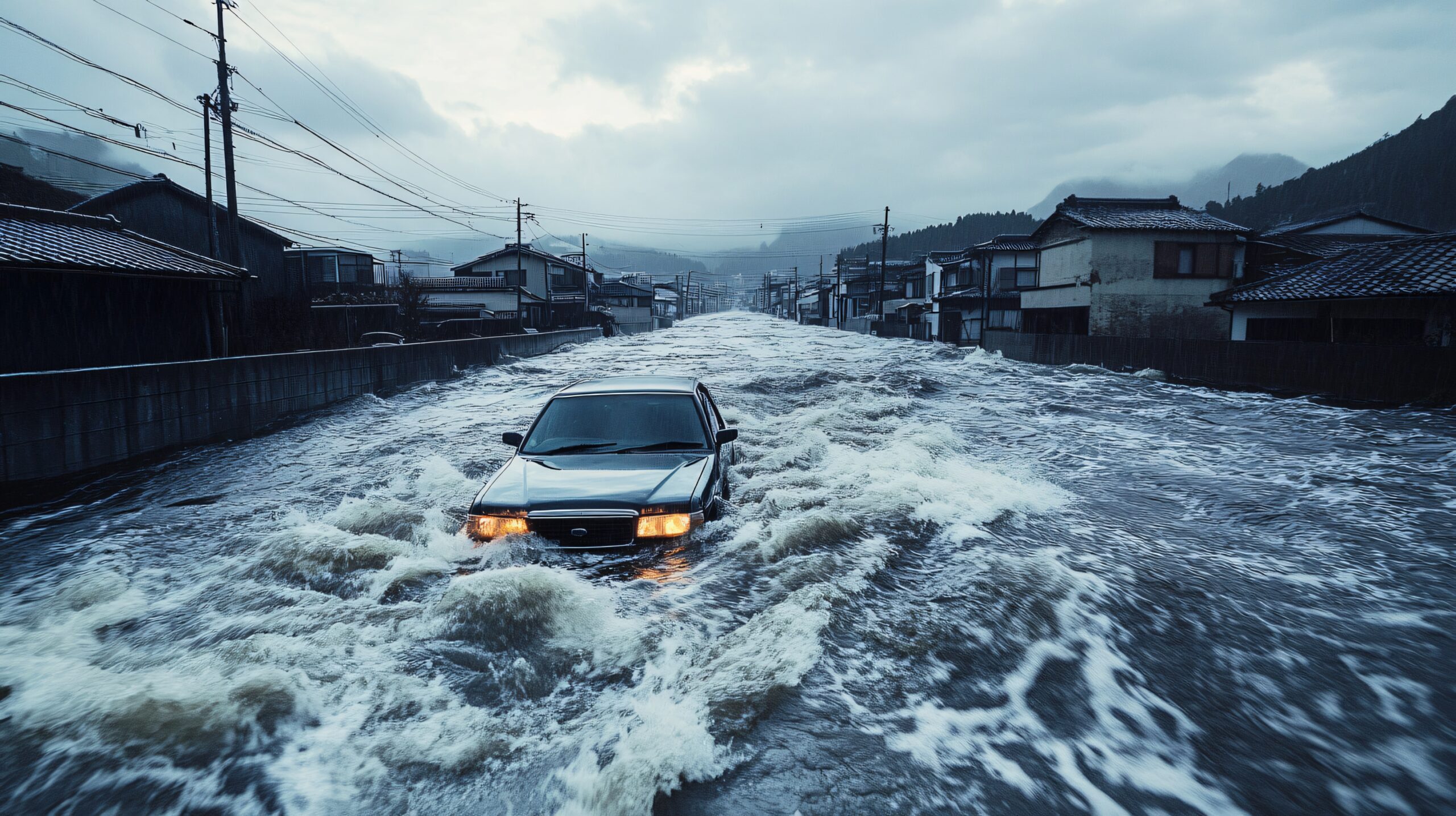
Pluvial flooding continues to grow due to changing weather patterns and urban development. Water accumulates when rainfall exceeds drainage and soil capacity limits quickly.
In many regions, flooding after heavy rain continues to become more frequent and intense. Cities face stronger pressure on drainage systems and land absorption capacity. Water spreads across land and affects daily life and property safety. Preparation improves outcomes during extreme rainfall conditions and storm events significantly. Awareness, maintenance, and financial protection all support better flood readiness.
Flood Insurance HQ helps property owners understand risk and choose protection plans effectively. Planning with the right Florida flood insurance providers creates stronger safety and reduces long-term damage impact. Thus, staying prepared is important as rainfall patterns continue changing over time.
Looking for better flood planning and protection guidance today
Get Started Today
FAQs
-
What is the cause of pluvial flooding?
Pluvial flooding happens when rainfall exceeds drainage capacity during storms. We at Flood Insurance HQ explain flooding after heavy rain impacts in simple language. Water collects quickly on roads and open land during storms. This condition connects directly with flooding after heavy rain and creates surface water buildup across many areas.
-
What is pluvial water?
Pluvial water refers to rainwater that stays on land during strong storms. We at Flood Insurance HQ help people understand how stormwater moves across surfaces. Drainage systems carry water more slowly than rainfall speed in many places. This condition links with rainwater flooding causes and increases surface water flow across streets and open ground.
-
What is a pluvial flood hazard?
Pluvial flood hazard includes the risk from surface water during heavy rainfall. We at Flood Insurance HQ guide property owners on stormwater awareness and safety planning. Water spreads across land when drainage systems reach full capacity. This condition connects with urban flooding problems and affects roads and homes, along with business buildings in surrounding areas.
-
How to prevent pluvial flooding?
Pluvial flooding prevention includes clean drainage systems, smart land design, and improved water flow management. We at Flood Insurance HQ support practical steps that reduce water buildup during storms. These actions improve protection for homes and cities during heavy rain. This approach also supports awareness around flood insurance in St. Petersburg FL, and planning needs.
-
Why is flooding becoming more frequent?
Flooding becomes more frequent due to climate change and rapid urban growth. We at Flood Insurance HQ explain why flooding is increasing across many regions. Cities expand, creating more paved surfaces that guide water flow during heavy rains. This trend increases demand for protection through Florida flood insurance companies and preparedness solutions.


