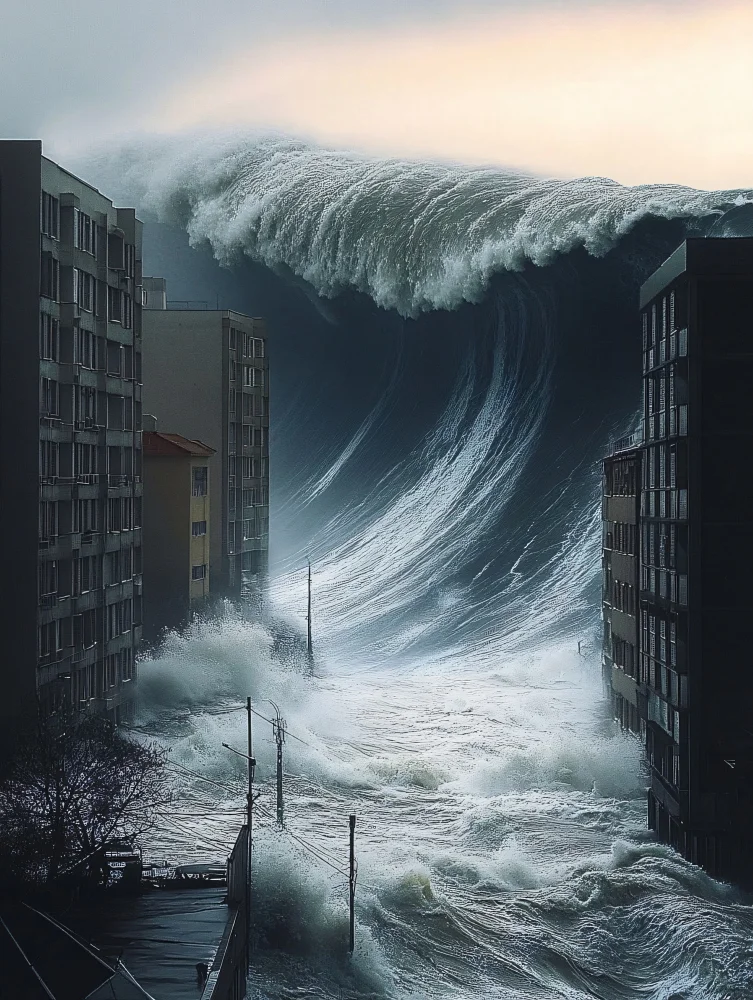
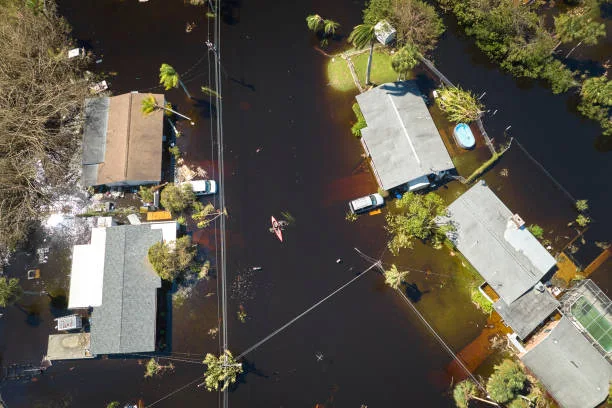
If you live in Florida, flooding isn’t some rare “what if” scenario. It’s a real thing. Heavy rain, storm surge, hurricanes, and backed-up drainage systems pick one, or sometimes all at once. And here’s the part that still surprises people: regular homeowners’ insurance usually does not cover flood damage. At all.
That’s where flood insurance for Florida homeowners actually comes in. But what does it really cover? Why doesn’t it? And how do flood insurance companies in Florida differ from one another?
Let’s slow it down and talk about this in simple words. No fluff. No salesy nonsense. Just what matters.

Why Flood Insurance in Florida Is a Big Deal
A lot of folks assume flood insurance is only for beachfront homes or properties sitting in a high-risk flood zone. That’s just not true. In Florida, flooding can happen almost anywhere.
In fact, a huge chunk of flood claims comes from areas considered “low to moderate risk.” One bad storm can overwhelm drainage, push water into neighborhoods, and suddenly, your living room is a shallow swimming pool.
And again, homeowners’ insurance? It usually excludes flooding. That gap alone is reason enough to look at dedicated flood insurance.
The Basics: What Flood Insurance Typically Covers
Flood insurance policies are usually split into two main parts:
1. Building (Structure) Coverage
This covers the physical structure of your home. Think of it as the bones and built-in parts.
Typical building coverage includes:
- Foundation, walls, and floors
- Electrical and plumbing systems
- HVAC units (central air, furnaces, water heaters)
- Permanently installed cabinets
- Built-in appliances like dishwashers and ovens
- Attached garages
- Fuel tanks, solar equipment, and some staircases
If floodwater damages the structure itself, this part of the policy kicks in.
2. Contents (Personal Property) Coverage
This covers the stuff inside your home. Your things. The items that actually make it livable.
Contents coverage usually includes:
- Furniture and mattresses
- Clothing and shoes
- Electronics (TVs, computers, gaming systems)
- Portable appliances like microwaves and window AC units
- Curtains and some rugs
Here’s the catch: contents coverage is often optional. Many people skip it to save money, then regret it later.
What Flood Insurance Usually Does NOT Cover
This part matters just as much. Flood insurance isn’t magic.
In the majority of standard flood policies, the following are not covered:
- Intermediate accommodation (hotel stay in the meantime, as the repair is done).
- Any damage brought about by moisture, mold, or mildew that would have been avoided.
- Landscaping, swimming pools, pool decks, or fences.
- Money, precious metals, and fine papers.
- Completed basements beyond some point.
Some private policies may offer extras, but standard coverage has limits.
This is why comparing flood insurance companies in Florida is important. Not all policies are built the same.
NFIP vs. Private Flood Insurance: What’s the Difference?
When people start shopping for flood insurance in Florida, they usually run into two paths.
National Flood Insurance Program (NFIP)
The NFIP is a government-backed program run by FEMA. It’s widely available and standardized.
Pros:
- Available almost everywhere
- Backed by the federal government
- Clear, consistent coverage rules
Cons:
- Coverage limits are capped
- Fewer customization options
- Usually no coverage for living expenses
Private Flood Insurance
Private flood insurance is offered by non-government carriers.
Pros:
- Higher coverage limits
- More flexible terms
- Often includes extras like temporary living expenses or landscaping coverage
Cons:
- Not every home qualifies
- Pricing and coverage vary by carrier
This is where working with an independent agency like Flood Insurance HQ actually helps. They compare options instead of pushing one policy.
Why Flood Insurance Companies in Florida Aren’t All the Same
Here’s something people don’t always realize: flood insurance companies in Florida vary a lot. Pricing, coverage details, deductibles, and waiting periods all change depending on the carrier.
Some companies are great for older homes. Others favor newer construction. Some are aggressive with pricing but strict on claims. Others cost more but offer broader protection. So, it is essential to consider some factors while choosing flood insurance in Florida.
This is why independent agents matter. Instead of guessing, you get options.
Flood Insurance HQ works with over 20 carriers, so you’re not stuck with a single quote that may or may not fit your situation.
Waiting Periods: Don’t Wait Until a Storm Is Named
One of the most frustrating things about flood insurance that Florida residents run into is waiting periods.
- NFIP policies typically have a 30-day waiting period
- Private policies may have shorter waits (sometimes 10–15 days)
Translation? You can’t buy flood insurance the day before a hurricane hits and expect coverage.
Planning ahead isn’t just smart. It’s necessary.
Coverage Limits: How Much Protection Do You Really Get?
Standard NFIP limits:
- Up to $250,000 for residential buildings
- Up to $100,000 for contents
For some homes in Florida, that’s enough. For many others, especially higher-value properties, it’s not.
Private flood insurance can offer higher limits and tailored coverage. That’s often a better fit for people who’ve invested heavily in their homes.
At this point, it’s not just about price. It’s about understanding limits, waiting periods, exclusions, and whether NFIP or private coverage actually fits your home and risk level.
Common Flood Insurance Myths
“I’m not in a flood zone, so I don’t need it.”
False. Floods don’t care about maps.
“Federal disaster aid will cover everything.”
Usually false. Aid is often a loan, not free money, and rarely covers full losses.
“Flood insurance is crazy expensive.”
Sometimes it’s not. Especially with private options.
How Flood Insurance HQ Makes This Less Painful
Buying flood insurance shouldn’t feel like solving a puzzle with missing pieces.
Flood Insurance HQ does things differently:
- Florida-based agents who understand local flood risks
- Personalized quotes instead of instant, generic ones
- Access to 20+ flood insurance carriers
- Help comparing NFIP and private flood insurance
They focus only on flood insurance. No distractions. No upsells into stuff you don’t need.
Final Thoughts
Life in Florida involves flooding. It is not going to disappear by ignoring it.
It is knowledge of the kind of thing that is usually insured by flood insurance, and the opposite, that puts you in control. You are free to take NFIP, private flood insurance, or a combination of both, but the bottom line is that you have to know your choices and do them before disaster has come to call.
Flood Insurance HQ is worth a visit, especially when you are comparing flood insurance companies in Florida, and you need actual advice rather than guesses.
FAQs
1. Does Florida have flood insurance?
The flood insurance would be obligatory where there is a federally backed mortgage in a risk-prone flood zone. But more than that, it is not mandatory but highly prescribed.
2. Is flood damage covered by the homeowners’ insurance?
No. The damage from floods is not generally covered by the standard homeowners’ insurance. You require an independent flood policy.
3. What are the prices of flood insurance in Florida?
The prices are different according to the location, the height, the price of the house, and the type of cover. Certain policies are cheaper than the expectations of people, particularly those of a privacy nature.
4. Am I entitled to flood insurance in case my house has been previously flooded?
Yes. Several flood insurance companies are still available in Florida with varying prices and terms.
5. What is the time taken to receive flood insurance?
NFIP policies also tend to have a waiting period of 30 days. There are shorter waiting periods in some of the private flood insurance policies.