
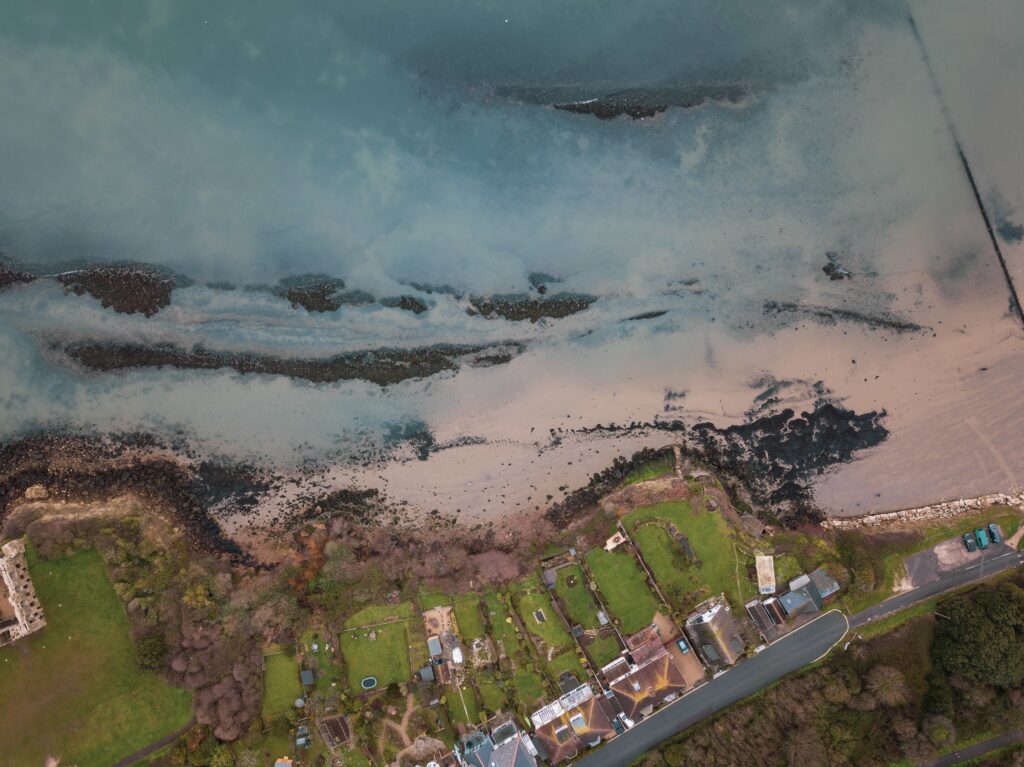
The ways we protect coastal homes are changing fast. In Florida, sea levels are rising, and the old ways of figuring out insurance costs just do not work anymore. For a long time, insurance companies only looked at past storms to guess future risks. However, new weather patterns and fast-growing cities have changed everything. Now, looking backward is no longer safe for the local housing market.
To fix this big problem, companies are moving toward catastrophe modeling. This method uses smart computer programs to simulate thousands of different storms. These programs look ahead by studying real-time land features, weather patterns, and water movements. As private and state insurance companies use these tools, the entire way we price and buy flood policies is completely changing.
Why Old Methods Fail in Modern Florida Areas?
The old way of checking flood risk assumed that water patterns never changed. Insurance workers used to rely only on standard government flood maps to group homes into general risk categories. This simple method causes major problems today because of a few big flaws:
- Missing Data: Old records do not show current issues like heavy concrete runoff, old neighborhood drains, or rising seas.
- Simple Map Lines: Old maps draw strict lines that say a home is either safe or in danger, but floodwaters do not stop at lines on a map.
- Ignoring Combined Storms: Old styles look at rain, ocean surges, and overflowing rivers as separate issues instead of tracking how they hit all at once.
Looking for smarter flood insurance solutions in Florida?
Connect With a Flood Insurance Expert
How Smart Technology Measures Coastal Danger?
Modern risk experts use advanced simulation tools instead of guessing. Rather than asking about past neighborhood damage, predictive flood modeling looks at risk through four basic steps.
First, the hazard tool creates thousands of random storm scenarios. These tests map out bad hurricanes alongside heavy downpours and ocean surges. Following this, the asset tool checks the physical house features. This step tracks floor heights, building materials, and the shape of the land. Next, the damage tool runs numbers to see how weak a house is. These steps show how bad the damage will be based on water depth and speed. Finally, the money tool turns that physical damage into dollar amounts. This last step counts deductibles, policy limits, and secondary insurance costs.
By matching sharp land models with water equations, computers find the exact details that keep a house safe. For example, the system checks how a small difference in floor height alters damage during a major hurricane. This detailed style replaces old regional guesses with exact information for every single home.
What Risk Rating 2.0 Shows About Insurance Costs?
The biggest rollout of this new computer technology came from the federal government’s update to the National Flood Insurance Program. People call this new setup Risk Rating 2.0. This change stopped using general neighborhood zones and started checking homes one by one.
-
Water Danger Factors
The system checks many different water risks at the same time instead of looking at a single map. It measures risk by checking a home’s exact distance from the ocean, its closeness to rivers, and how well the local ground handles fast, heavy rain.
-
Home Building Features
The program rewards good building choices by looking at specific design upgrades. Homes built on open stilts that let ocean surges pass underneath get much cheaper scores than homes built on flat concrete slabs. Additionally, the system checks the exact height of the first living floor and looks for certified flood vents in lower garage areas.
This switch to exact matching creates a fairer marketplace, but it has also raised insurance bills in coastal areas. Under this setup, homes with the highest risks face big price hikes to show their true danger level. This update removes the old system where low-risk inland homes paid extra to lower the costs for expensive beach properties.
Why Changing Models Put Local Companies at Risk
While these advanced computer tools offer great data, they are not perfect. One of the biggest issues today is model confusion. This problem happens when different computer programs give opposite loss numbers for the same neighborhood.
When different risk models show vastly different loss guesses, state officials and company bosses face a tough choice. Studies show that when computer models disagree, insurance prices go up because companies add extra fees to protect themselves against mistakes. If a company uses a guess that is too optimistic and misses combined flood risks, a single bad storm can wipe out its cash. Consequently, this financial crash shuts the company down, which drops the unpaid bills directly onto Florida’s state emergency fund.
The Big Role of Smart Risk Tools in Saving Real Estate
The long-term safety of Florida’s housing market depends on the accuracy of new flood prediction models. Without clear, detailed ways to separate low risk from high risk, the private market breaks down. This failure shows up as dropped policies, crashing home values, and tough times getting home loans in risky zones.
By using smart data, specialized flood insurance providers in Florida can safely cover unique homes that old systems would turn away. These tools let workers find well-built homes inside bad flood zones, which keeps insurance available and offers good choices outside of packed state programs. Using these smart tools helps close the safety gap, keeping home sales moving with clear, fair pricing.

Looking Ahead at Modern Water Assessment
As global temperatures rise and sea levels keep shifting, the need for smart computer models will only grow. The days of checking home risks with old, flat maps are gone for good. By replacing past guesses with smart future simulations, the insurance world is building a safer system that can handle massive storms.
While switching to risk-based pricing means higher bills for vulnerable coastal towns, it gives the clear warnings needed to encourage smarter building choices. Ultimately, using catastrophe modeling is the most important step we have to keep companies open, protect homeowners, and keep the Florida housing market moving safely.
Ready to better understand your property’s flood risk?
Get a Personalized Flood Risk Review
FAQs
-
What is catastrophe modeling, and how does it apply to modern property coverage?
Catastrophe modeling is a computer method that uses weather facts and engineering details to simulate major natural disasters. Furthermore, these math steps help estimate the financial damage to specific homes. Unlike old insurance styles that only looked backward at past claims, these smart setups test future events. Consequently, this helps groups like Flood Insurance HQ figure out the exact chances and strength of bad storms before they hit.
-
How do modern flood prediction models differ from traditional FEMA flood maps?
Old government maps make simple zones based only on past regional events. In contrast, modern flood prediction models track moving details like rising seas and how well the soil drinks water. Additionally, they simulate real-time wave actions during storms. This allows specialized flood insurance services in Florida to price policies using a home’s exact building style instead of general neighborhood guesses.
-
Why are private flood insurance providers in Florida adopting these advanced computational tools?
Private insurance groups use these platforms to keep enough cash in the bank while offering fair, correct prices. By running sharp simulations, risk teams avoid charging too much for safe inland homes. Meanwhile, they simultaneously make sure that high-risk beach homes pay enough to cover their real chance of storm damage.
-
How does model uncertainty affect the premium prices paid by average property owners?
When different computer programs give totally different loss estimates for the same neighborhood, insurance workers add extra safety fees. Specifically, these price cushions protect the company against software mistakes. This data confusion can cause companies that work with platforms like Flood Insurance HQ to raise prices defensively until the computer models match up.
-
Can property owners lower their premiums under a simulated risk assessment framework?
Yes, because these smart computer systems look closely at individual home upgrades. Homeowners can lower their risk scores and bill amounts by making proven updates, like moving utilities higher or putting in proper flood vents. Additionally, they can use open stilt designs that let high water roll right under the main house.


